Dr. Mohsin Ali
05 April 2026
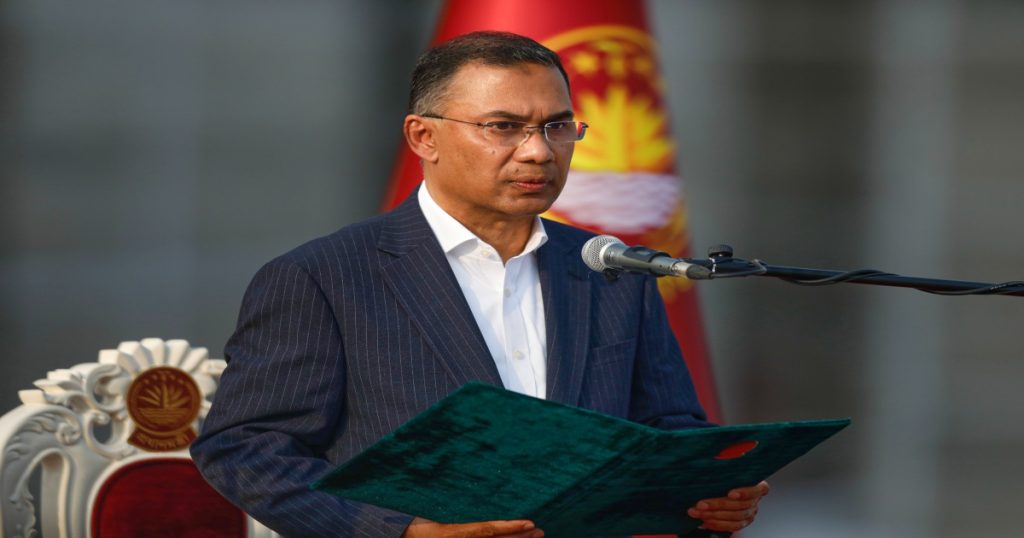
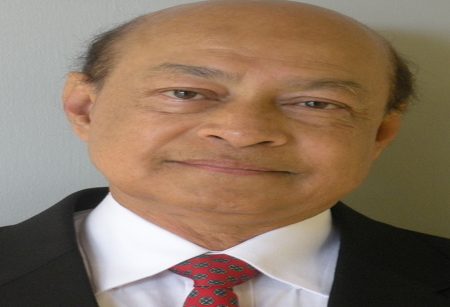
Tarique rahman Taking Oath of Prime Minister
Introduction: A Strategic Gamble or a Diplomatic Misstep?
Recent political developments in Bangladesh raise a critical question: Has India miscalculated in its perceived engagement with Tarique Rahman?
The rapid ascent of Tarique Rahman—from a long period in exile to the apex of state power—has triggered intense debate among analysts, policymakers, and observers across South Asia. Whether this transition reflects domestic political evolution, external influence, or a convergence of both remains contested. However, the consequences of that shift are becoming increasingly visible.
The Election Context: Legitimacy Under Question
The general election held on February 12, 2026, under the interim administration led by Muhammad Yunus, fundamentally reshaped Bangladesh’s political landscape.
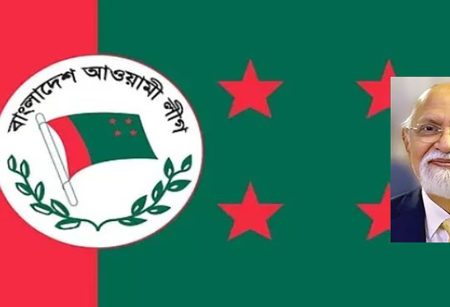
A central concern lies in the exclusion of the Awami League from participation, effectively removing one of the country’s primary political forces from the electoral contest.
In political theory, competitive elections derive their legitimacy from participation, pluralism, and the presence of opposition. When a major party is absent, especially one with deep historical and electoral roots, the process risks being perceived as structurally imbalanced.
This has led some observers to characterize the outcome metaphorically as “a goal scored in an empty field.”
The Alleged Understanding: Diplomacy in the Shadows
There has been widespread speculation—though not officially confirmed—regarding a possible understanding between elements of the Indian government under Narendra Modi and Tarique Rahman during his time in exile in London.
According to circulating narratives, such an understanding may have included commitments related to:
It is important to note that these claims remain unverified, yet they have gained traction in political discourse due to subsequent developments.
Post-Election Reality: Divergence Between Expectation and Action
Since assuming power, the administration led by Tarique Rahman has taken actions that, according to critics, diverge from the expectations implied in such alleged understandings.
Reports and observations suggest:
These developments, if accurately represented, raise concerns about political reconciliation, inclusivity, and institutional neutrality.
Historical Narrative and Political Identity :
Bangladesh’s political identity is deeply intertwined with its liberation history. The legacy of Sheikh Mujibur Rahman and the role of the Awami League are not merely partisan issues; they are foundational to the state’s origin story.
Efforts to marginalize or reinterpret that legacy may not only intensify domestic polarization but also risk destabilizing the nation’s symbolic cohesion.
India’s Strategic Position: Miscalculation or Constraint?
If the assumptions of tacit support or alignment are valid, India may now face a strategic dilemma:
India may have overestimated its ability to shape post-election political behavior in Bangladesh.
Internal political imperatives often outweigh external expectations, particularly in highly polarized environments.
A perceived mismatch between expectations and outcomes could affect India’s diplomatic credibility in the region.
However, it is equally plausible that:
Human Rights and Governance Concerns
Allegations of arrests, intimidation, and suppression—especially involving civilians, women, and families—underscore broader concerns about governance and civil liberties.
From an international perspective, such developments invite scrutiny under global human rights norms and may influence Bangladesh’s diplomatic standing.
The Larger Question: Power, Legitimacy, and Responsibility
At the heart of this issue lies a deeper question:
Can political power gained under contested conditions sustain legitimacy without inclusive governance?
History suggests that exclusion—whether of political actors, narratives, or dissent—often leads to long-term instability rather than consolidation.
Conclusion: A Moment of Uncertainty
Whether India miscalculated or not, the current situation represents a moment of strategic and political uncertainty.
For Bangladesh, the path forward depends on:
For regional actors, including India, it calls for:
Final Reflection :
The rise of Tarique Rahman marks not just a change in leadership, but a test of political maturity—for Bangladesh and its neighbors alike.
Whether this moment leads to reconciliation or deeper division will depend not on agreements—spoken or unspoken—but on actions, accountability, and the willingness to embrace plurality.