News Desk
01 April 2026
Sheikh Hasina
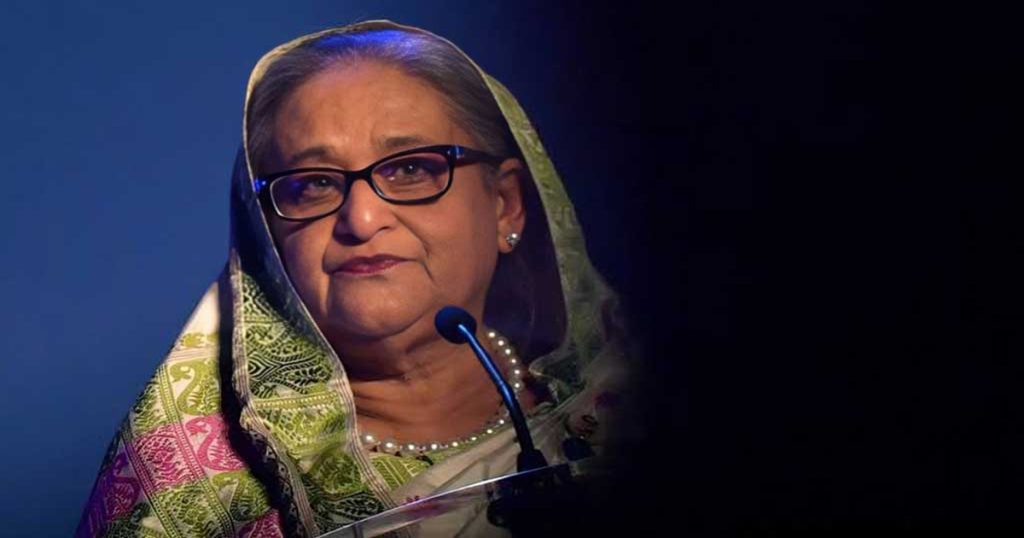
A prominent London-based law firm has challenged the prosecution and death sentence of former Prime Minister Sheikh Hasina, directly contesting the legality and fairness of the International Crimes Tribunal (ICT) proceedings.
Kingsley Napley, known for its work in criminal litigation, extradition and white-collar crime, has filed a detailed objection against the proceedings of the ICT, which on Nov 17, 2025 sentenced Hasina to death in absentia.
The three-member ICT bench, led by Justice Golam Mortuza Mozumder, found her guilty of crimes against humanity linked to the violent state crackdown on student-led protests in July and August 2024.
The conviction covered multiple charges, including incitement, ordering killings and failing to prevent atrocities.
In a 10-page letter sent on Monday, Kingsley Napley described the trial as “fundamentally incompatible with basic international standards for fairness and due process”.
Acting on Hasina’s behalf, the firm argued the case unfolded in a “hostile environment”, pointing to the banning of the Awami League’s political activities under anti-terror legislation in May 2025 and alleged intimidation of its legal team.
The letter reads, “Sheikh Hasina has been prosecuted and sentenced in absentia for capital offences in proceedings that… violate her fundamental rights under international law.
“This correspondence does not constitute acceptance of, submission to, or recognition of the legitimacy of these proceedings as currently constituted.”
A central claim in the filing is the alleged lack of judicial independence.
The firm says the ICT bench was reconstituted in October 2024 with judges said to have “overt political affiliations to opposition parties”.
It highlights Justice Shafiul Alam Mahmud’s appointment to the High Court just six days before joining the tribunal, alleging he had “pre-determined Sheikh Hasina’s guilt”.
Citing a reported August 2025 courtroom exchange, the lawyers say Justice Shafiul told state-appointed defence counsel, “You’ll try your best to save your clients from the gallows”, arguing this suggests the verdict was a “foregone conclusion”.
The firm also questions the neutrality of former chief prosecutor Md Tajul Islam, noting his past role as defence counsel for senior Jamaat-e-Islami figures and his participation in rallies calling for an Awami League ban during the trial.
Beyond alleged bias, the objection challenges the ICT’s jurisdiction.
It argues amendments made in August 2024 to extend the tribunal’s mandate beyond 1971 war crimes to include the July-August 2024 protests amount to an “unlawful expansion” and a “legal impossibility”.
Kingsley Napley says such cases should be handled under the regular criminal justice system, warning that imposing the death penalty after flawed proceedings amounts to “summary execution” under international law.
The firm has demanded the verdict be “immediately set aside as legally void” and sought a response within 14 days, cautioning that Hasina may pursue remedies through international human rights bodies.
Authorities have defended the trial as essential for justice over the July killings.