News Desk
25 March 2026
Heat Dome
Large parts of the United States are expected to experience an unusually hot and dry spring, with drought conditions forecast to expand across the West and parts of the Plains, according to the National Oceanic and Atmospheric Administration (NOAA).
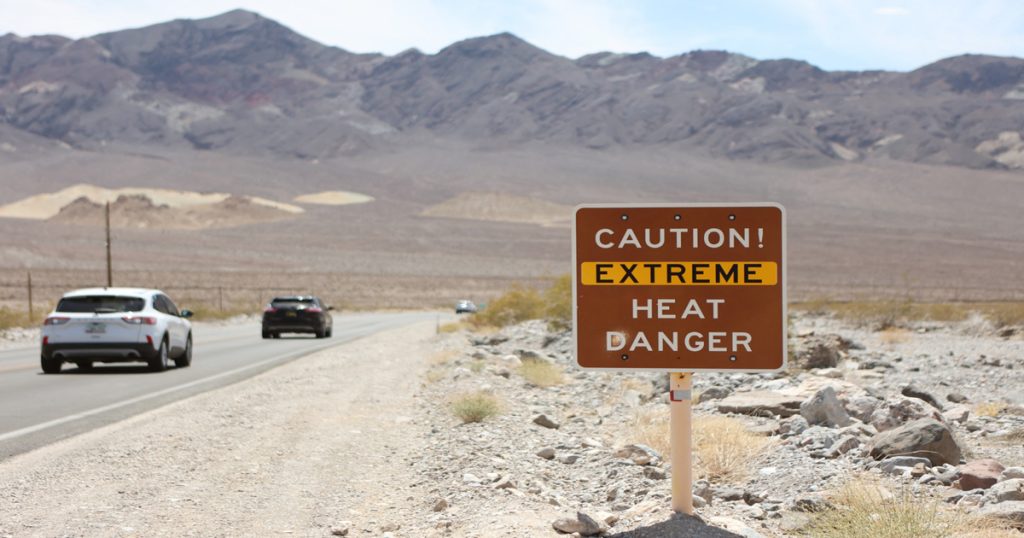
The outlook suggests that spring 2026 might feel more like early summer in many regions, as concerns intensify over a dreaded heat dome—a weather pattern where a strong, high pressure system parks over an area and traps hot air beneath it, causing temperatures to rise and stay high for days or even weeks.
NOAA’s Spring Outlook for April through June predicts above normal temperatures for most of the country, particularly across the western U.S., the Plains, and parts of the South and Midwest.
Areas spanning the southwest into the Intermountain West are most likely to feel the heat from above-average temperatures many are already grappling with low snowpack.
As of mid March, about 55 percent of the continental United States was experiencing moderate to exceptional drought, according to NOAA, following a winter that was warmer and drier than average in many regions.
Jon Gottschalck, Chief of the Operational Prediction Branch, NOAA’s Climate Prediction Center, said: Drought conditions worsened or developed for much of the Great Plains, Lower Mississippi Valley, and Southeast U.S. due to warmer and drier than normal conditions this winter.
Forecasters say those conditions are expected to worsen or spread in the coming months, particularly across the Pacific Northwest, Great Basin, central Rockies, Southwest, and south central Plains.
While heat and drought are dominating the outlook, NOAA also says that the risk of spring flooding is between normal and below normal for most of the continental U.S., largely because of dry soils and well below normal snowpack that reduce the chance of snowmelt driven flooding. The NOAA outlook highlights several factors driving the forecast, including low snowpack in the West, depleted soil moisture, and a transition from La Niña toward ENSO neutral conditions, meaning neither El Niño nor La Niña is expected to provide relief.
Without the spring rains, much of the West is likely to see drought conditions last well into the summer.
Lasting Effects of the Possible Heat Dome :
Experts warn that the combination of heat and dryness could have cascading effects, including increased risk of wildfires, stressed agriculture, and strained water resources, particularly as reservoirs and mountain snowpack enter the warm season at historically low levels.
This spring forecast will help communities and farmers prepare for some difficult months that could bring intensifying drought and prolonged heat across much of the country.