News Desk
11 March 2026
NYC Minimum Wage Could Hit $30
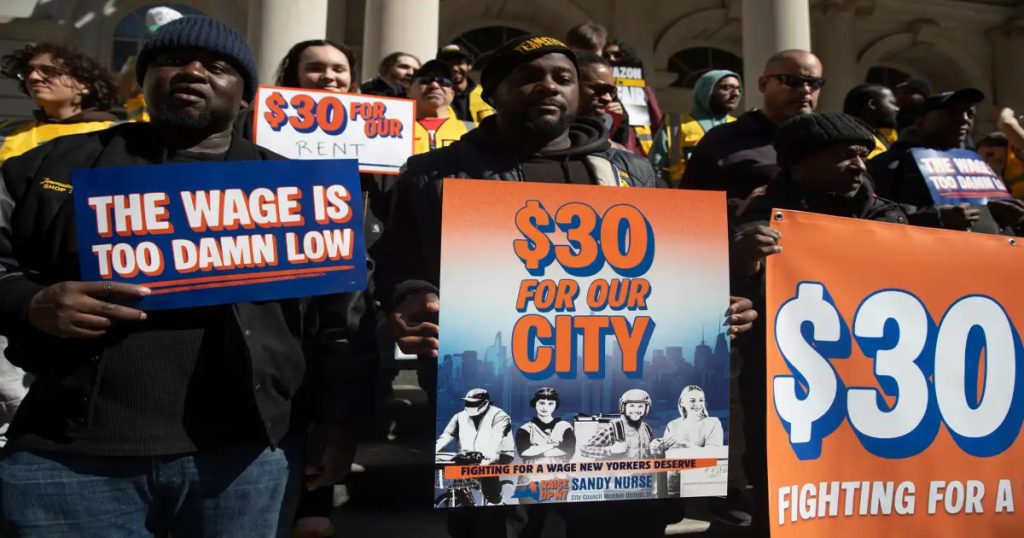
The min is hitting the max. Lefty New York City Council members proposed a record-breaking $30-per-hour minimum wage bill Tuesday – a measure that could nearly double the Big Apple’s current baseline pay of $17. The proposed pay increases in the bill would unfold in gradual increments by 2030 for large employers and 2031 for smaller businesses.
Employers with upward of 500 employees would lift worker salaries to $20 an hour by 2027, with steady increases every year to 2030, when it’ll end at $30 per hour, if the bill is passed.
Smaller employers with fewer than 500 workers would pay $29 an hour by 2031.
The change would affect upward of 1 million workers in New York City currently make minimum wage and struggle to make ends meet.
The bill – first reported by Gothamist – was introduced by Councilwoman Sandy Nurse (D-Brooklyn) and echoes one of Mayor Zohran Mamdani’s campaign promises.
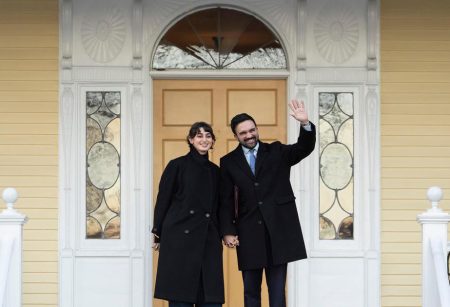
Despite the similarities, the socialist mayor declined to explicitly support the budding legislation – and its passage through a City Council led by Speaker Julie Menin, a moderate Democrat, remains uncertain.
While the Administration is reviewing this specific legislation, the Mayor remains committed to tackling the cost-of-living crisis using every tool at the city’s disposal,” a City Hall spokesperson said in a statement.
A rep for Menin gave a similar non-committal response.
“Speaker Menin looks forward to reviewing this legislation introduced today,” her spokesperson said.
Progressives have long called for a generous minimum wage that’s apace with the city’s high cost of living, but many business leaders warn it’ll be a costly disaster for employers.
“Going to $30 an hour is a showstopper for most small businesses in Queens and New York City,” said Tom Grech, CEO of the Queens Chamber of Commerce. “Small businesses will close and those that can survive will cut their staff and hours.
Steve Fulop, the CEO for the Partnership for the City of New York, warned that similar moves in California provided a good case study – and a cautionary tale.
“Their recent wage increases show the tradeoffs of what happens when you aren’t thoughtful. As wages rose, but hours were cut, prices went up, and some hiring slowed. I don’t think anyone wants that outcome here,” he said.
“New York prides itself on leading, but economic policy shouldn’t be an experiment conducted in a vacuum during a fragile economy.”